A Day in the Life: SA Intern in Barcelona
From Johannesburg to the Gothic Quarter, what a typical Wednesday looks like doing a marketing internship at a Barcelona startup, on a South African passport.
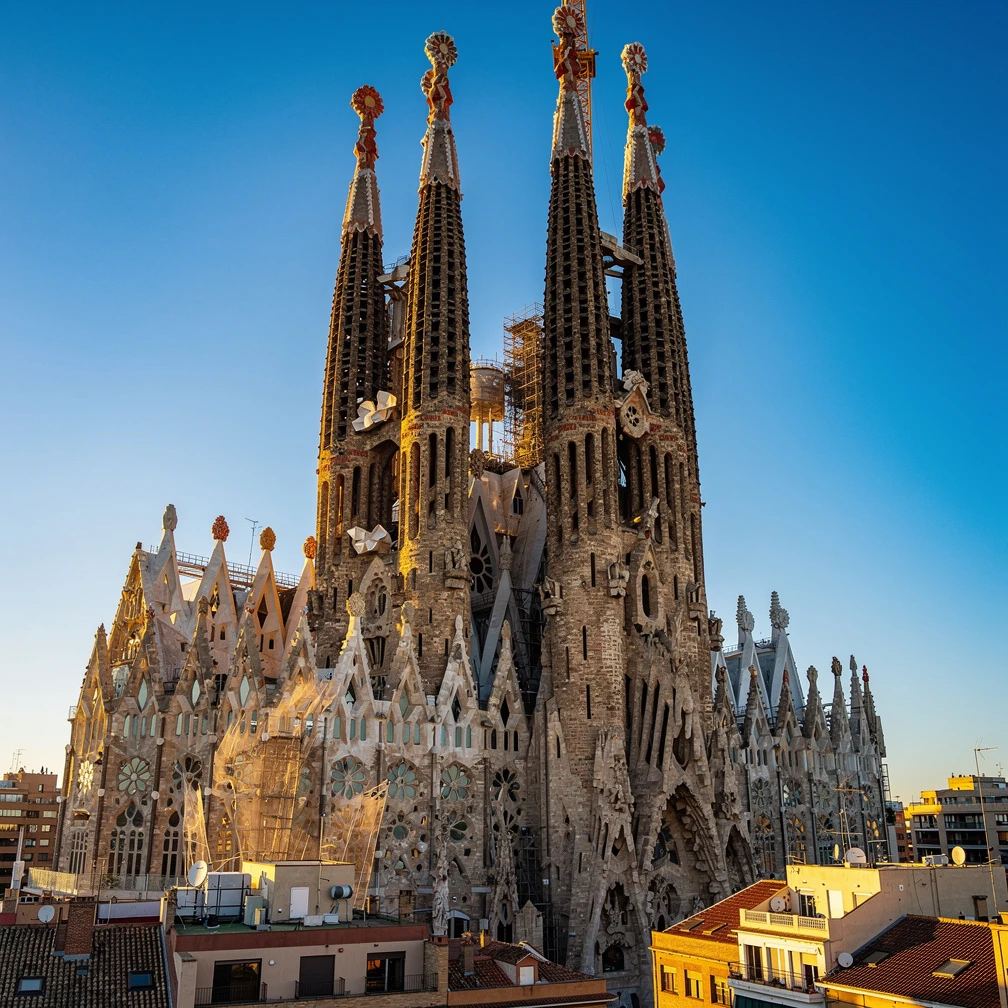
Sipho is a 3rd-year BCom Marketing student from the University of the Witwatersrand. He spent 3 months doing a digital marketing internship at a fashion-tech startup in Barcelona's Poblenou district. This is based on his account.
7:00 AM, Breakfast in the Gothic Quarter

The apartment is on a street so narrow you can almost touch both walls. Three of us share it, a Spanish architecture student, a Dutch girl doing finance at a local firm, and me. Rent is R5,200 per person per month, which sounds steep until you remember you're sleeping in a medieval building in one of the most beautiful cities in Europe.
I eat at home most mornings. Mercadona (the local supermarket two minutes' walk away) sells yoghurt, fruit, and decent coffee beans for almost nothing by Cape Town standards. A full breakfast at home costs me about R35. The same meal at a café on Las Ramblas would cost R280. I am not eating at Las Ramblas.
The thing about Barcelona mornings is how late everything moves. The city doesn't fully wake up until 9am. Before that, it's quiet, elderly residents doing their shopping, delivery bikes threading through the alleys, the smell of fresh bread from the bakery on the corner. I do my best thinking in this window.
8:30 AM, Metro to Poblenou
The Barcelona Metro is excellent. I take the L4 (yellow line) from Jaume I to Llacuna, about 12 minutes. A T-Casual card (10 trips) costs R290. Monthly it works out to about R870 if you commute daily, which is nothing compared to Gautrain prices back home.
Poblenou is Barcelona's tech and creative district, the "22@" innovation zone. In the 1990s it was a declining industrial neighbourhood. Now it's full of co-working spaces, agencies, and startups doing interesting things. The streets still have that raw industrial character, but every second building is a renovated loft with floor-to-ceiling glass. It suits me.
9:00 AM, Office: Social Media Campaign Day
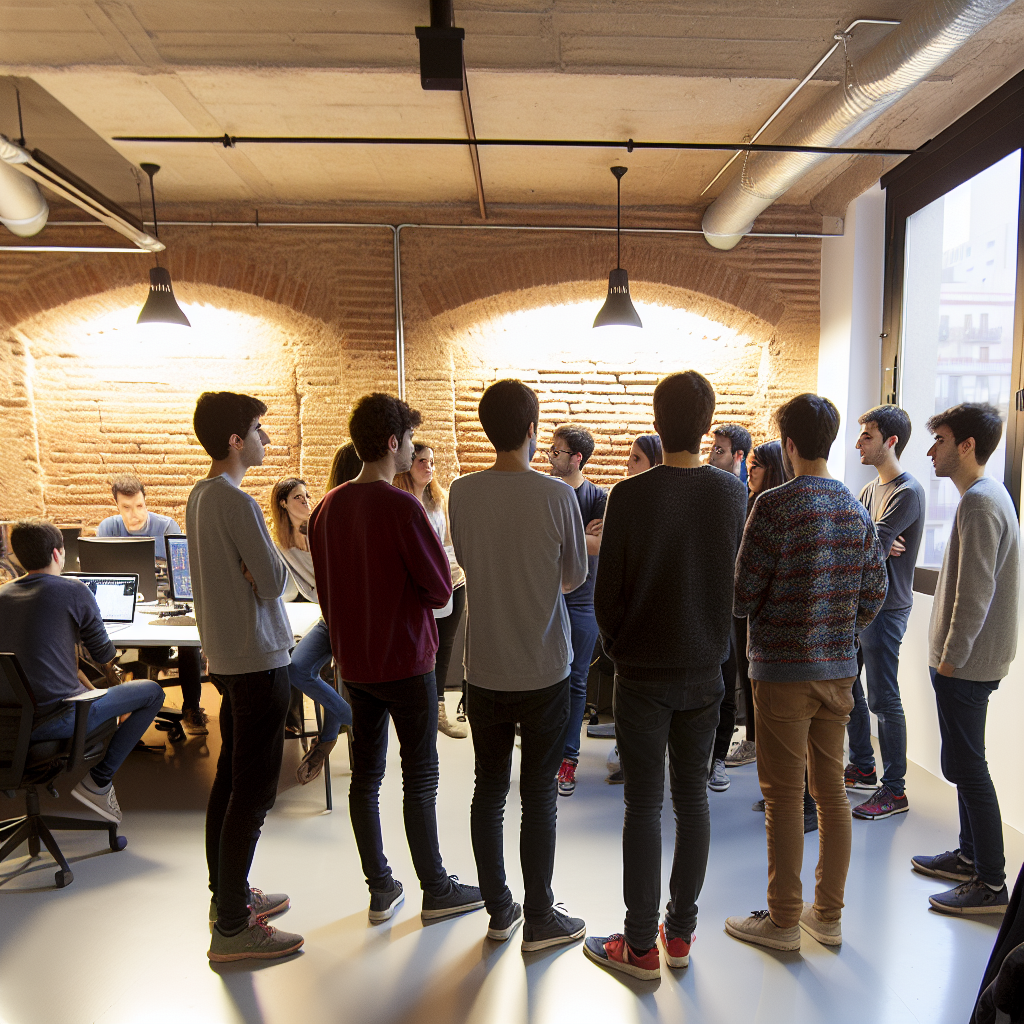
The company is a fashion startup, they sell sustainable basics direct-to-consumer across Europe. Small team (14 people), international (Spanish, German, Italian, one American), and genuinely fast-moving. I was nervous before starting that I'd be doing admin. I was not doing admin.
My role is marketing intern, specifically social media and content. Today's brief: build out a paid Instagram and TikTok campaign for a new product launch. Real budget (EUR 2,000 for the test), real deliverables, real timeline. My manager gives me a brief and then leaves me to execute, this is the main thing I didn't expect. The level of autonomy.
By 11am I've built three ad variations, written copy in English (they translate to Spanish and German), and proposed a targeting strategy. We review it as a team before lunch. Two ideas get approved immediately. One gets pushed back with useful feedback. That feedback, right there, is worth more than a semester of lectures.
2:00 PM, Tapas Lunch with Colleagues
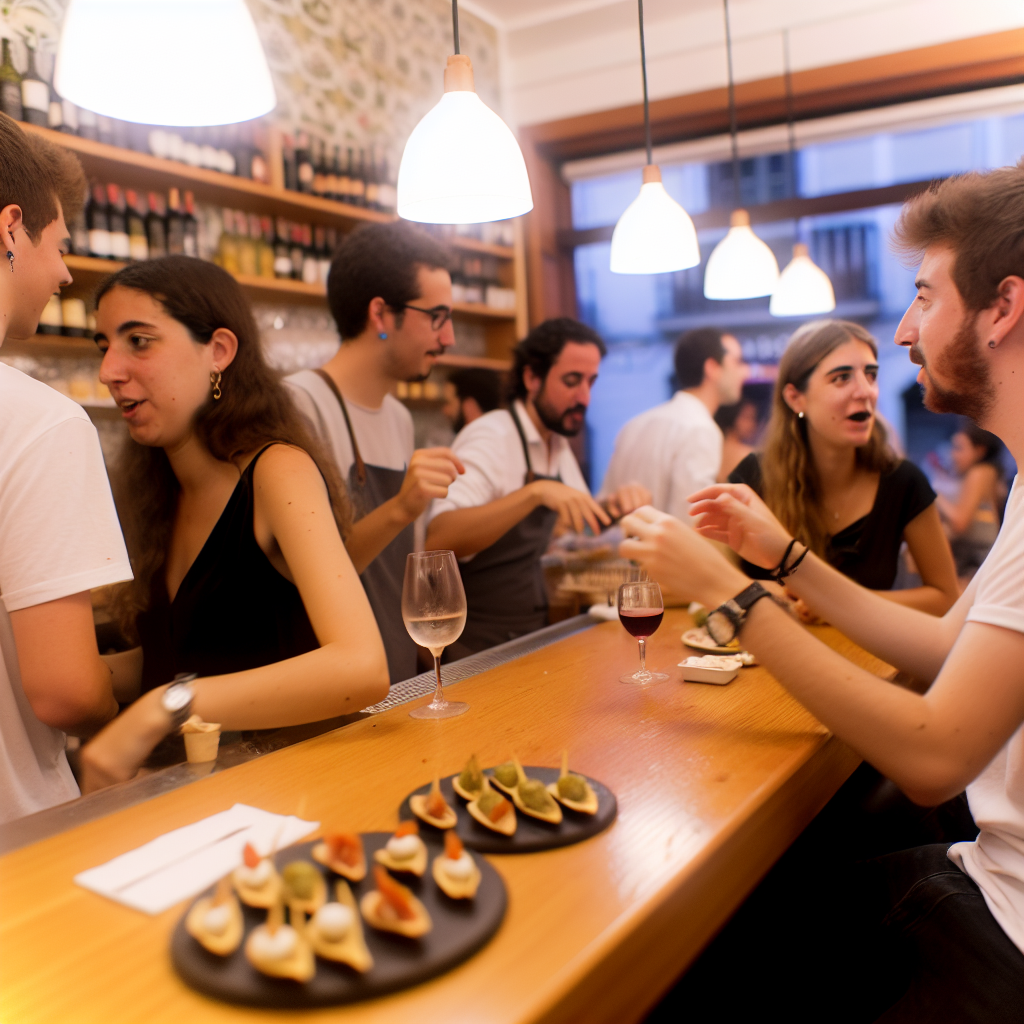
Lunch in Spain is still a real meal. Most of my colleagues take a proper hour-long break. On Wednesdays, four of us go to a small bar on Carrer de la Pallars, they do a "menu del dia" (set lunch menu) for EUR 11 (~R220). That's a starter, main course, dessert, and a glass of wine or water. It is one of the best value meals in the world.
Lunch is also where I've learned the most about professional culture here. My colleagues talk openly about their careers, the company's direction, what's working and what isn't. There's no corporate filter over it. I've had more honest career conversations at that bar than in any formal mentoring session at university.
4:30 PM, Product Photoshoot
This is the part that surprised me most about the role. Because the team is small, I'm involved in things far beyond a typical marketing brief. This afternoon: a product photoshoot for the new collection in the office courtyard. I'm not the photographer, but I'm helping style shots, reviewing frames with the art director, and writing the captions that will go with the final images.
It's the kind of cross-functional involvement that's hard to get at a large company. Small startup = you touch everything. My portfolio after 3 months includes campaigns, content strategy, a brand deck, and now some art direction credits. That's not nothing.
7:00 PM, Barceloneta Beach
Barceloneta is a 20-minute walk from Poblenou, or 3 stops on the tram. After work on Wednesdays, a group of us (usually four interns from different companies, all living within a few streets of each other) meet at the beach. We buy beers from the supermarket (R18 each) and sit on the sand while the sun goes down behind Montjuïc.
This is the part I genuinely didn't predict: how good the social ecosystem would be. Barcelona is full of international interns. Through my company's intern network alone I met people from six different countries in the first week. By month two, my social calendar was fuller than it ever was in Johannesburg.
The Honest Stuff, Schengen Visa and Cost Reality
Let me be straight about the things SA students need to know before booking flights.
The Schengen visa is real admin, but it's manageable. I started the process 3 months before departure. I applied through VFS Global in Johannesburg. The key document is the host company invitation letter, which Internship Abroad provided as part of my placement. Without that letter, the application is much harder. With it, the process was straightforward. Processing took 12 working days. Cost: EUR 80 (R1,600).
Worth it? Completely. The Schengen visa gives you access to 27 countries. I used mine for weekend trips to Lisbon and Marseille during my 3 months. The admin is a one-time cost for a massive benefit.
Monthly cost reality: I spent approximately R14,000/month all-in, rent (R5,200), food (R3,500), transport (R900), social (R2,500), miscellaneous (R1,900). Barcelona is not cheap by SA standards. But for what you get, the career experience, the city, the network, the portfolio, I'd do it again in a heartbeat.
What I'd Tell Other SA Students
Barcelona is not a holiday. It's an accelerant. The career value comes from working in a fast-moving European startup environment, building a real portfolio, and developing a professional network that doesn't stop at the South African border. The city is a bonus.
Start your Schengen visa application earlier than you think you need to. Book accommodation before you arrive. And do not spend your first week in tourist traps, find the neighbourhood bars, the local markets, the beach spots that locals use. That's where Barcelona actually lives.
Your Barcelona internship starts with a free profile
Join free and we'll match you with verified companies in Barcelona and across Europe that fit your field and experience level.
Join free Barcelona details